
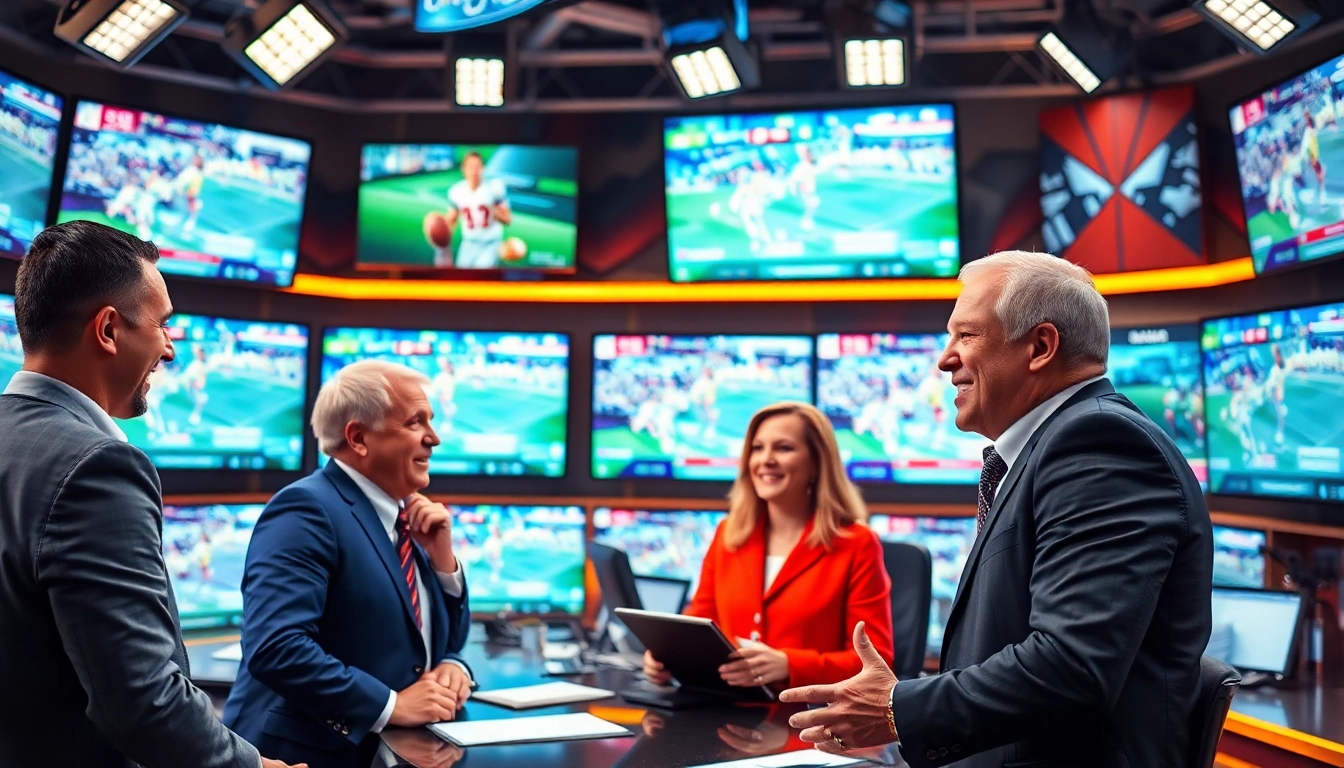
Understanding Sports Broadcasting
Sports broadcasting is a multifaceted domain that encompasses various media formats to disseminate sports-related content to audiences. This dynamic field combines the excitement of live sports with the art of storytelling, drawing in viewers through innovative narratives and technological advancements. From traditional television broadcasts to contemporary digital platforms, Sports Broadcasting continues to evolve, capturing the essence of sports in real-time.
What is Sports Broadcasting?
At its core, sports broadcasting refers to the transmission of sporting events through media platforms such as television, radio, and online streaming services. This field not only includes the live coverage of games but also highlights sports news, analysis, commentary, and relevant feature programming. Broadcasters play a vital role in showcasing athletes and teams while also offering viewers insights into the sports culture.
The Evolution of Sports Broadcasting
Sports broadcasting has undergone significant transformations over the decades. The journey began with radio broadcasts in the early 20th century, evolving into television broadcasts that revolutionized how fans consumed sports. The advent of cable networks allowed for specialized sports channels, enhancing competition and providing a wider array of programming than ever before. Today, the explosion of digital media has introduced streaming platforms and social media channels, enabling fans to engage with content anytime and anywhere, thus creating a global audience for local events.
Key Players in the Sports Broadcasting Industry
The sports broadcasting industry is supported by a variety of key players, including content creators, sports leagues, advertisers, and technology providers. Major leagues like the NFL, NBA, and UEFA have established partnerships with broadcasting networks to deliver content to fans. In addition, emerging streaming platforms and tech companies are entering the fray, trying to carve out a niche in an increasingly competitive landscape.
Technologies Driving Sports Broadcasting
Technological innovations have significantly impacted the way sports are broadcasted and consumed. These advancements have not only enhanced the viewer experience but also reshaped business models within the industry.
Broadcasting Equipment Essentials
The backbone of any successful sports broadcast is reliable equipment. Cameras equipped with high-definition and 4K capabilities, drones for aerial shots, and drones for unique perspectives are becoming commonplace. Audio technology, including surround sound systems, ensures that fans can hear every aspect of the game, enhancing the atmosphere. Additionally, comprehensive graphics systems and slow-motion replays bring a level of detail that can transform a broadcast into an immersive experience.
Emergence of Streaming Technologies
Streaming technologies have become an integral part of sports broadcasting, offering on-demand access to sports events and associated content. Services like on-demand replays, viewer-selected camera angles, and interactive statistics have been developed to cater to the needs of modern audiences. Numerous traditional networks are also investing in streaming platforms to attract younger viewers who favor online content over traditional television.
Impact of Social Media on Sports Broadcasting
Social media serves as a powerful tool for enhancing sports broadcasting by fostering interactive engagement with the audience. Platforms like Twitter, Facebook, and Instagram allow broadcasters to share live updates, behind-the-scenes content, and fan interactions. This not only keeps fans informed but also creates a sense of community around teams and leagues, ultimately driving viewership and engagement across all platforms.
Best Practices for Engaging Audiences
Engaging the audience in today's fast-paced media environment requires a strategic approach. Broadcasters must strive to create connections that resonate with fans and encourage loyalty.
Crafting Compelling Sports Narratives
Storytelling is an essential aspect of sports broadcasting. Developing compelling narratives around players, teams, and events helps to pique interest and create emotional connections with audiences. Broadcasters should aim to highlight individual stories and milestones that resonate on a personal level, effectively drawing viewers into the event rather than simply presenting the facts.
Utilizing Interactive Features
Interactive features such as polls, quizzes, and fan voting during broadcasts can significantly increase viewer engagement. Incorporating real-time opinions and reactions allows fans to feel they play a role in the broadcast. Technologies that enable instant feedback also create a feedback loop that broadcasters can use to tailor their content and better serve their audience's preferences.
Creating a Community around Sports Broadcasts
Building a sense of community is vital in sports broadcasting. Fostering conversation through forums, social media platforms, and live Q&A sessions can draw fans deeper into the viewing experience. Broadcasters should focus on recognizing audience opinions and showcasing fan-generated content to create a synergistic environment that encourages continued engagement.
Challenges in Sports Broadcasting
No industry is without its challenges, and sports broadcasting is no exception. Broadcasters must navigate complex landscapes of compliance, coverage management, and viewer engagement to succeed.
Compliance and Legal Considerations
Sports broadcasters are subject to numerous regulations that dictate how content can be distributed and monetized. Copyright issues, licensing agreements, and advertising standards are just a few of the legal challenges that need to be managed diligently. Broadcasters must maintain comprehensive legal oversight to ensure compliance and avoid potential penalties.
Managing Live Event Coverage
Covering live events presents unique challenges, from unpredictable weather and technical failures to coordinating multiple camera feeds. Sports broadcasters must have contingency plans in place to tackle any issues swiftly. Additionally, training staff to respond effectively to unexpected situations is critical to maintaining broadcast quality and viewer satisfaction.
Handling Viewer Engagement
In today’s competition-driven market, consistently attracting and retaining viewers is vital. Broadcasters must analyze viewer engagement metrics to identify trends and preferences, adapting their strategies accordingly. Maintaining an authentic and relatable presence can help build lasting relationships with fans, ensuring they return for future broadcasts.
Measuring Success in Sports Broadcasting
Understanding the metrics that define success is essential for any broadcaster looking to improve their reach and impact. By effectively analyzing performance, broadcasters can make informed decisions about future strategies.
Key Performance Indicators for Broadcasters
Key Performance Indicators (KPIs) such as viewership numbers, audience retention rates, and social media engagement metrics are critical for assessing success. Understanding these metrics helps broadcasters evaluate the effectiveness of their content and strategize future improvements tailored to viewer preferences and demographics.
Analyzing Viewer Metrics and Feedback
In-depth analysis of viewer feedback can reveal insights that are invaluable for enhancing broadcast quality. Surveys, reviews, and real-time reactions collected from social media can provide context around audience satisfaction. This feedback loop is crucial for broadcasters to adjust their approach and increase viewer loyalty.
Continuous Improvement Through Data Analysis
Leveraging data analytics allows sports broadcasters to continuously refine their practices and output. By regularly reviewing performance data, broadcasters can identify strengths and weaknesses, encouraging a culture of ongoing improvement. Embracing these insights can lead to innovative broadcasting techniques and more engaging content.
FAQs about Sports Broadcasting
1. What platforms are commonly used for sports broadcasting?
Common platforms include television networks, online streaming services, and social media. Broadcasts can be accessed through various devices, catering to diverse audience preferences.
2. How has technology impacted sports broadcasting?
Technology has enhanced visual clarity, audio quality, and interactive features, improving the overall viewer experience. Innovations like streaming services have made sports more accessible globally.
3. What are the legal considerations in sports broadcasting?
Legal considerations include copyright compliance, licensing agreements, and regulations regarding advertising sponsorship. Broadcasters must remain informed to avoid legal issues.
4. How do broadcasters measure audience engagement?
Audience engagement is measured through metrics such as viewership numbers, social media interactions, and feedback surveys. These insights help broadcasters improve their content.
5. What role does storytelling play in sports broadcasting?
Storytelling connects audiences emotionally to events and players. Compelling narratives enhance viewer experience and can cultivate a loyal fanbase, leading to greater engagement.